
2026
Conference Sessions
2026 Conference Schedule
Tuesday, October 27, 2026
8:00 am to 8:45 am
Registration
Room TBD
- Coffee Service & Continental Breakfast
- Exhibits Open
- Into the Light Display
8:45 am to 9:45 am
Opening Remarks and Introductions
Room TBD
Recovery Partners of Vermont
Danielle Wallace, Board President
Recovery Partners of Vermont
Allen Berger, Ph.D. — Emotional Sobriety
Psychotherapist and Personal Growth Consultant
10:00 am to 10:50 am
Workshop Series I (3 Workshops)
Treatment Court & Peer Recovery
(1 CEU )
Room TBD
Katie Jones, Assistant Director & Recovery Coaching Supervisor
Turning Point Center of Central Vermont; Treatment Court
Description:
Katie Jones is a Treatment Court graduate and has successfully grown the Treatment Court collaboration with the Central Vermont RSO. She is the first Recovery Coach to be embedded on a Regional Advisory Committee for Treatment Court. Katie has used her lived experience to guide participants through the process and advocate for changes that best support the people going through Treatment Court. The program involves Probation and Parole, Washington County Mental Health, and the judges and court staff.
Learning Objectives:
- Describe Treatment Court and how to embed Peer Recovery into the team, leveraging lived experience to support the process.
- Identify how to effectively support Treatment Court participants, creating a bridge from court to the recovery center.
- Work collaboratively with other Treatment Court team members.
Shame as a Barrier to Engagement with Treatment and Recovery
(1 CEU )
Room TBD
Ayla Priestly, DNP, APRN, FNP-C, CARN-AP
Valley Vista and Wellpath with VT DOC
Description:
Shame is a common yet often overlooked experience among people entering recovery from substance use disorders. While addiction treatment frequently focuses on managing withdrawal, cravings, and relapse prevention, the profound impact of shame on treatment engagement and long-term recovery outcomes may go unrecognized. This presentation will explore how shame can act as a barrier to seeking care, participating in treatment, and developing a sustainable recovery identity. Participants will gain a deeper understanding of the effects of unaddressed shame and learn practical strategies to foster compassionate, recovery-oriented care that promotes healing and resilience.
Learning Objectives:
- Describe the role of shame as a barrier to engagement in early addiction treatment
- Discuss the potential long-term consequences of unaddressed shame
- Identify opportunities for clinicians and treatment programs to reduce shame and promote recovery-oriented care
Changing Workplace Culture: The Organizational Thinking Behind Recovery Friendly Workplaces
(1 CEU )
Room TBD
Lisa Lord, Director of Operations
Vermont Association for Mental Health & Addiction Recovery (VAMHAR)
Martina Anderson, Director of Communications
Vermont Association for Mental Health & Addiction Recovery (VAMHAR)
Description:
Every workplace has a culture. The question is what that culture teaches people about asking for help, responding to challenges, and supporting one another. This interactive session explores the organizational thinking behind the Recovery Friendly Workplaces model, using real-world workplace examples to examine how leadership, policies, communication, and everyday experiences shape employee experience over time. Participants will be introduced to a systems-level approach for creating workplace cultures that better support recovery and leave with a deeper understanding of why Recovery Friendly Workplaces are designed the way they are.
Learning Objectives:
- Explain how Recovery Friendly Workplaces use organizational culture as a strategy for supporting recovery.
- Recognize how leadership, policies, communication, and everyday workplace experiences shape employee experience and workplace culture.
- Analyze a workplace scenario through a systems-thinking lens to identify the organizational factors that influence employee success.
11:00 am to 11:50 am
Workshop Series II (3 Workshops)
Learn About Vermont Recovery Coach Certification & the Certemy Platform
(1 CEU )
Room TBD
Taysa Lynch,CRC, CPS and Robin Rieske, MS, CPS
PreventionWorksVt and the Vermont Certification Board
Description:
Interested in becoming certified as a Recovery Coach, or need guidance on renewing your credential? Whether you are currently certified, working toward certification, or simply exploring your options, this session will help you better understand Vermont’s credentialing pathways and requirements. Prevention Works!VT will cover Vermont’s credentialing process and introduce the Certemy platform available for credential holders and applicants. The workshop will cover Vermont’s current credentials: Certified Recovery Coach (CRC) and will be available to answer questions about its Associate Prevention Specialist (APS), and Certified Prevention Specialist (CPS).
Learning Objectives:
- Requirements to become a Certified Recovery Coach
- Ways to submit, track and manage credentialing requirements online
- Upload continuing education credits
The Professional Peer: Navigating Professionalism in Peer Recovery Services
(1 CEU )
Room TBD
Liza Ryan, LICSW, CRC/PRSS
North Central Vermont Recovery Center
Description:
This workshop explores the integral elements of professionalism in Peer Recovery Services. Participants will strengthen their understanding of professional boundaries, effective communication and ethical decision making through discussion and review of case vignettes.
Learning Objectives:
- Identify core principles of professionalism related to ethical decision-making and boundaries as they apply to peer recovery services.
- Describe how the evolving field of recovery services affects the role of a recovery coach and develop strategies for adapting.
Recovering Loudly: Stories of Moms in Recovery
(1 CEU )
Room TBD
Natasha Payton, Strategic Brand Marketing Manager at Lund, and Project Manager for Recovering Loudly
Description:
Stories of Moms in Recovery is a powerful storytelling project highlighting the lived experiences of Vermont moms in recovery from substance use. Join us for a screening of the 17-minute film, and a moderated discussion addressing the film’s key themes: overcoming stigma, healing through community, redefining motherhood, and coping with loss and grief.
Learning Objectives:
-
Participants will learn how storytelling can be used as a therapeutic tool to support healing and recovery.
-
Participants will explore how listening to stories of lived experience can reduce stigma, build empathy, and highlight the power of community in supporting recovery.
12:00 pm to 12:45 pm
Lunch and Award Winners
Room TBD
Mark Helijas Recovery Pioneer Award
This award goes to an individual who has created an innovative way to provide services and support to people with a substance or alcohol use disorder and their families. Past examples: Recovery Coaching in the Correction System, Jenna’s Promise Recovery Community, Collaboration with EMS
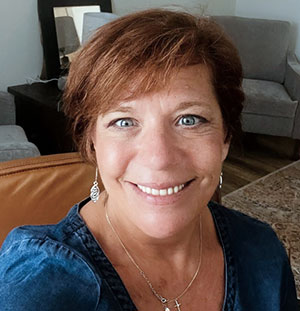
2026 Mark Helijas Recovery Pioneer Award
Kristen Moro, Certified Recovery Coach, Turning Point of Central Vermont
The Rising Phoenix Award (New in 2026)
This award honors a RPV Member Staff* who models a healthy life in recovery by leading with authenticity, resilience, and a deep dedication to uplifting others.
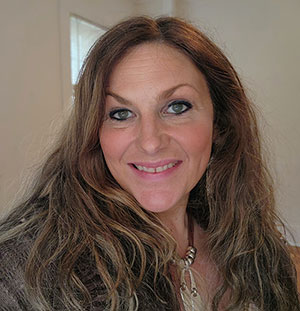
Alison Robinson, Recovery Coach Supervisor/Certified Recovery Coach, Peer Recovery Center of Addison County
12:45 pm to 1:30 pm
Visit Our Sponsors Hall
Exhibitor Hall
Attendees will have the opportunity to enter a raffle for one of four prizes. A raffle entry will be earned by completing a “visit our sponsors” passport.
1:30 am to 2:50 am
Workshop Series III (3 Workshops)
Roundtable: Rural Health Transformation Roundtable: Statewide Map
(1.5 CEUs)
Room TBD
David Riegel, Executive Director
Vermont Foundation of Recovery
Jeff Moreau, Executive Director
Vermont Alliance for Recovery Residences
Description:
Join this Roundtable to gain insight into the Rural Health Transformation Program. A diverse group of people brought together to explain and discuss various components of the program and the scope of work.
Learning Objectives:
-
Learn about the who, what, where, why, when of Rural Health Transportation.
-
Gain a better understanding of the certification system in Vermont and why it is important. There have been many zoning and Landlord/tenant law changes in recent years paving the way for growth. The current state of certified beds and the goal of the number of beds by 2030. Voucher funds and training funds available to operators.
-
Vermont Foundation of Recovery’s RHT work including opening new homes in 2027 and additional projects benefiting the system overall.
Motivational Interviewing and the Power of Empathy and Compassion
(1.5 CEUs)
Room TBD
Dr. Clara Keegan, MD
HETI: Health, Education, and Training Institute
Description:
This workshop will explore how we can use Motivational Interviewing to approach our clients with empathy, compassion, collaboration, and acceptance to build therapeutic relationships.
Clara Keegan is a family physician who renewed her joy in practice through Motivational Interviewing. In this interactive workshop, we will explore how MI concepts can help us shift from feeling responsible for our clients’ behavior to supporting them as they identify their own reasons and means for behavior change. Through empathy, compassion, collaboration, and acceptance, we can build therapeutic relationships that acknowledge our clients’ suffering and support them in the process of recovery and transformation.
Learning Objectives:
- Appreciate the danger of the “righting reflex” and how to avoid it
- Explore how to approach conversations with clients with compassion, collaboration, and acceptance
Person-Centered Documentation for Recovery Support Services
(1.5 CEUs)
Room TBD
Liza Ryan, LICSW, CRC/PRSS Recovery Coach
North Central Vermont Recovery Center
Jenn Loso, CRC/PRSS, Associate Director & Recovery Coach Supervisor
Turning Point Center of Rutland
Danielle Wallace, Executive Director/MARJ/CRC
Peer Recovery Center of Addison County
Description:
This workshop will help participants distinguish between peer and clinical documentation and describe the elements of note-taking for peer recovery services. Experiential practice and group engagement using sample documentation will help ensure a practical understanding of peer vs. clinical documentation. This training is a great tune-up so that when Medicaid issues its provider manual, only a few, if any, major changes will be needed in your documentation practices. Best practices/formulas will help provide clear, proper, and fair documentation.
Learning Objectives:
- Discuss differences between peer support documentation and clinical documentation by identifying the purpose, scope, and appropriate language for each.
- Demonstrate the ability to write objective, strengths-based documentation that accurately reflects peer support services while remaining within the peer support scope of practice.
- Apply ethical and legal documentation principles, including confidentiality, and accurate recordkeeping, to case vignettes from substance use recovery services.
3:10pm to 5:00 pm
Closing Remarks & Social Hour
Room TBD
- Social Hour w/Light food and beverage
- “Visit Our Sponsor” Draw
- Networking